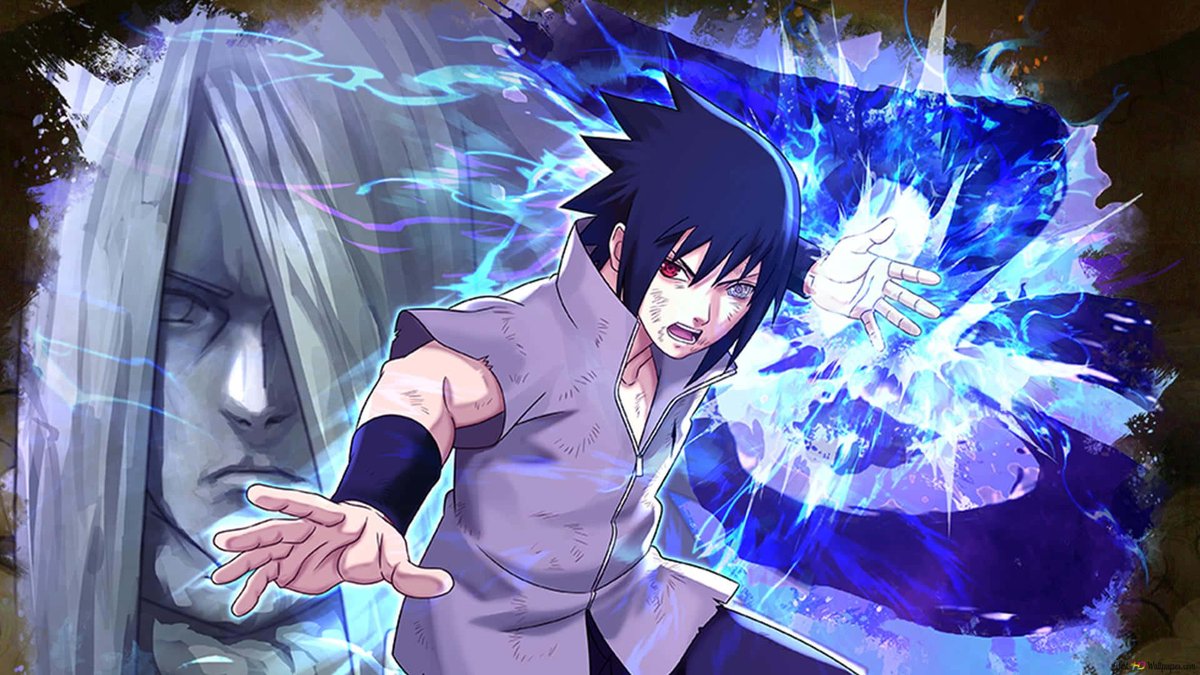
Sasuke Uchiha. The name alone conjures images of raw power, intense rivalry, and a destiny forever entangled with the fate of the ninja world. As one of the most iconic figures in the Naruto universe, Sasuke's journey is a tapestry woven with vengeance, sacrifice, and ultimately, redemption. But what if we told you that the very essence of his dramatic story, his personality, and even his ultimate fate, are deeply embedded in the meaning of his name and the rich tapestry of Japanese folklore?
Much like a character in a poignant narrative like Your Name, Sasuke's identity isn't just a label; it's a prophecy, a heritage, and a constant force shaping his path. Understanding the etymology behind "Sasuke" and "Uchiha" isn't merely a trivia pursuit; it's a key to unlocking a deeper appreciation for his complex character arc and the masterful storytelling of Masashi Kishimoto. Join us as we unravel the layers, connecting this legendary shinobi to ancient tales and cultural significance that resonate throughout his epic saga.
The Whispers of Ancestors: Tracing Sasuke's First Name to Folklore
The name "Sasuke" carries a weight of history and heroism in Japanese culture, a legacy bestowed upon him by his mother, Mikoto. Far from a casual choice, his name is a direct homage to Sasuke Sarutobi, a legendary fictional ninja whose exploits transformed the perception of shinobi from shadowy villains into revered heroes in early 20th-century pop culture. This connection isn't just a nod; it’s a foundational piece of his identity, suggesting a preordained greatness and a path distinct from his clan's traditional ways.
The name "Sasuke" itself translates to meanings like "assistant," "help," or "concern oneself with, mediate." When you consider the deep roots of Sasuke's name in Japanese folklore through the lens of Sasuke Sarutobi, you see a destiny of aiding, of standing as a pivotal figure—a stark contrast to his initial trajectory of isolation and vengeance. His early years, marked by the devastating Uchiha clan massacre, molded him into a driven avenger. Yet, even in this dark beginning, we can find threads that hint at his eventual evolution. To truly appreciate the path he walks, it's essential to understand the pivotal moments and influences of Sasuke Uchiha's early life.
The Fan and the Flames: Understanding the Uchiha Clan's Identity
Beyond his first name, "Uchiha" itself holds significant meaning that colors Sasuke's entire existence. Translating roughly to "paper fan," the clan name metaphorically signifies their role in "fanning the literal and figurative flames" – a powerful image for a clan renowned for its fire-style jutsu and its passionate, often volatile, emotions. The Uchiha clan’s history is one of immense power, profound love, and equally profound sorrow, often leading to tragic ends fueled by their own intense passions.
This double meaning—both cooling and igniting—reflects the Uchiha's dual nature: capable of great protection but also immense destruction. For a deeper exploration of this fascinating symbolism and the legacy it imprinted on Sasuke, we invite you to uncover the full history and symbolism of the Uchiha clan's name. It’s a lineage that defined much of Sasuke's early motivation and shaped his perception of the world.
A Journey of Vengeance and Redemption: Sasuke's Evolving Destiny
Sasuke's saga is famously defined by his relentless pursuit of vengeance for his clan's massacre. This singular goal propelled him down a dark path, leading him to abandon Konoha, align with nefarious figures like Orochimaru, and even join the criminal organization Akatsuki. For years, he personified hatred, his actions often teetering on the edge of irredeemable villainy. However, the true beauty of his character development lies in his eventual pivot.
In the Boruto series, we witness a more mature, repentant Sasuke. He sheds the mantle of the avenger and begins to embody the true meaning of his name: "assistant" and "helper." He dedicates himself to protecting Konoha, supporting Naruto, and atoning for his past mistakes. This profound shift is central to Sasuke's complex journey from avenger to adult helper, illustrating how he eventually earns the heroic legacy associated with his name, rather than merely being born into it.
The Eyes of Power: Sharingan, Rinnegan, and His Signature Chidori
Sasuke's combat prowess is inextricably linked to his extraordinary visual abilities and signature techniques. His Uchiha lineage granted him the Sharingan, an iconic Kekkei Genkai that allows him to perceive chakra, predict movements, and copy jutsu. Though he struggled to activate it initially, its advanced form, the Mangekyou Sharingan, unlocked devastating new powers like Susanoo. Later, gifted with half of Hagoromo's chakra, he awakened a Rinnegan in his left eye, granting him god-like abilities, including mastery over all chakra natures and instantaneous space-time ninjutsu.
These eyes are not just tools; they are windows into his soul, reflecting his pain, resolve, and evolution. Understanding a deeper dive into the powers behind the Sharingan and Rinnegan offers insight into how these legendary abilities shaped his battles and ultimately his destiny. Beyond his visual prowess, Sasuke's Chidori (千鳥, Thousand Birds) stands as his signature lightning-based technique. Learned from Kakashi, it became an extension of his will, a concentrated burst of power. Uncover the etymology and impact of his signature Chidori technique to appreciate how this iconic move embodies his speed and destructive capability.
Fates Intertwined: Key Relationships and Their Folklore Echoes
Sasuke's story isn't a solitary one; it's intricately woven with the lives of those around him, particularly his closest bonds. These relationships often mirror classic Japanese folklore tropes, adding depth and resonance to his narrative.
The Unbreakable Bond: Naruto and Sasuke's Rivalry
The rivalry between Sasuke Uchiha and Naruto Uzumaki is perhaps the most defining relationship in the Naruto series. It began with shared goals and a competitive spirit, evolving into a bitter ideological clash before finally blossoming into an unbreakable bond of mutual respect and friendship. Their dynamic often mirrors tales of fated adversaries destined to either destroy each other or achieve greatness together. This intense, often fraught, connection isn't just about power levels; it's about two souls pushing each other to define their own justice. Explore how Sasuke's rivalry with Naruto mirrors classic folklore tropes that speak to destiny, brotherhood, and the eternal struggle between light and shadow.
A Brother's Sacrifice: Itachi and Sasuke's Tragic Tale
Central to Sasuke's entire motivation was the massacre of his clan at the hands of his older brother, Itachi. This act, seemingly one of cruel betrayal, fueled Sasuke's hatred and quest for vengeance for years. However, the revelation of Itachi's true intentions—that he sacrificed everything, his honor, his life, and his place in history, to protect Sasuke and Konoha—transformed their narrative into one of the most poignant and tragic brotherly bonds in fiction. Their story is a powerful exploration of sacrifice, perception, and the lengths one will go for family. Discover the tragic folklore parallels in the brotherhood of Sasuke and Itachi which often depict fated siblings caught in cycles of duty, betrayal, and ultimate devotion.
Beyond the Story: Sasuke's Name as a Cultural Mirror
Sasuke Uchiha's journey, deeply rooted in the cultural significance of his name and clan, serves as a powerful mirror reflecting themes prevalent in Japanese folklore and society. His path from avenger to protector, from isolation to integral support, underscores the idea that identity is not static. It's a journey of growth, repentance, and ultimately, embracing the true meaning of one's given name. His story reminds us that even names bestowed with great expectations can take unpredictable detours before their bearers truly "earn" their inherent meaning.
By understanding the layers of meaning behind "Sasuke Uchiha," we gain more than just character insight; we gain a deeper appreciation for the artistry behind his creation and the enduring power of narrative that weaves personal destiny with ancient cultural echoes. His name isn't just a label; it's a living prophecy that he, through years of trials and tribulations, ultimately fulfilled.